Speaker Magnet Charging Machine – Restore Power & Bass
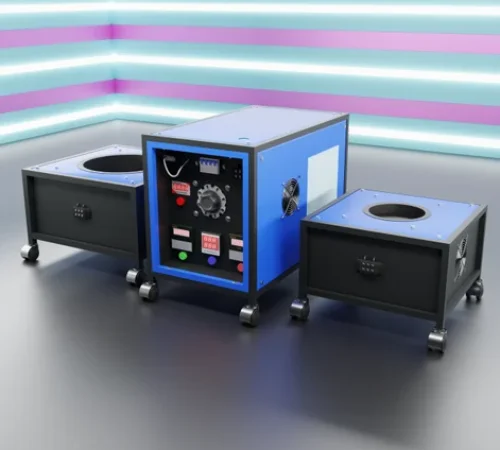
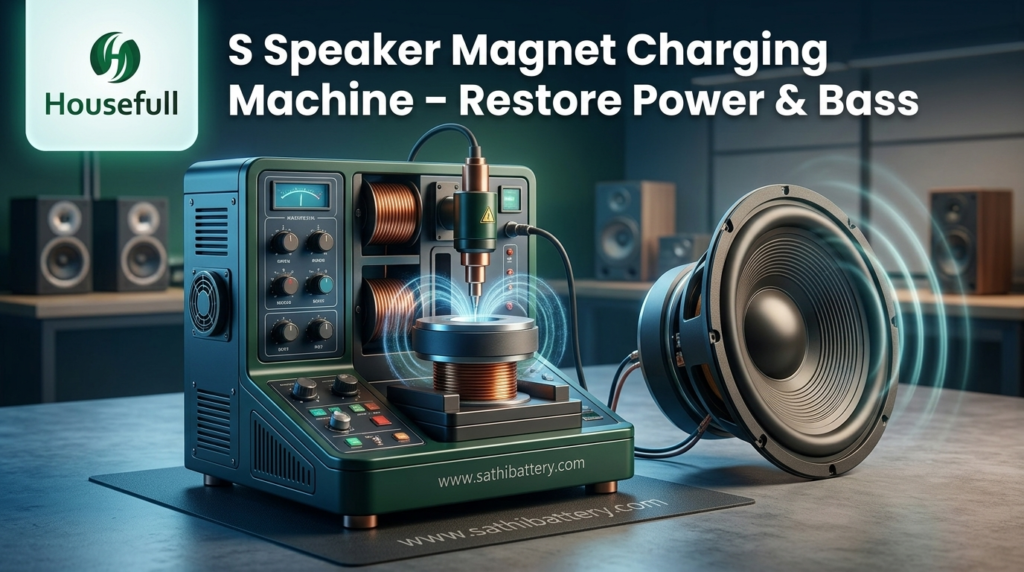
Summary: A Speaker Magnet Charging Machine is a high-voltage pulse magnetizer used to recharge or restore the magnetic strength of ferrite and neodymium magnets inside loudspeakers, subwoofers, and DJ speakers. When a speaker magnet loses its power over time, the sound becomes weak, muddy, or bass-less. A magnet charging machine fixes this problem at its root restoring full audio power without replacing the entire speaker unit. This guide covers everything you need to know: how these machines work, types, key specifications, maintenance tips, and how to choose the right one for your setup in 2026. Table of Contents What Is a Speaker Magnet Charging Machine? A Speaker Magnet Charging Machine is an industrial-grade electrical device that uses a high-energy pulse of current to re-magnetize the permanent magnets found inside loudspeakers, subwoofers, DJ speakers, and other audio equipment. These machines are also commonly called magnetizers, magnet chargers, or pulse magnetizers. They work by generating a powerful burst of electrical energy typically through a capacitor bank charged to high voltage and discharging it through a specially designed coil. When a speaker magnet is placed inside or near this coil, the magnetic domains inside the magnet realign, restoring the magnet to its original (or even stronger) magnetic field strength. Without a strong magnet, a speaker cannot move its voice coil efficiently. This leads to reduced sound output, poor bass response, distorted sound, and overall loss of audio quality. A magnet charging machine solves this problem in seconds. In 2026, these machines are widely used by: Why Do Speaker Magnets Lose Power? Many people do not realize that speaker magnets are not permanent in the true sense. Over time, they can lose their magnetic strength. Here is why this happens: Heat Exposure: Loud, extended use of speakers generates heat. Ferrite magnets, in particular, are sensitive to temperature. When the magnet’s temperature crosses its Curie point even briefly, some magnetic domains lose alignment, reducing overall field strength. Physical Shock and Vibration: Repeated mechanical shocks such as being dropped or transported roughly can disturb the domain alignment inside the magnet. Over years of use, this adds up to a noticeable drop in performance. Age and Demagnetization: Permanent magnets do demagnetize slowly over time. This is especially true for older-style ferrite (ceramic) magnets, which were common in speakers manufactured before the widespread adoption of neodymium. Exposure to Other Magnets: Placing strong magnets near a speaker can partially or fully demagnetize its magnet if the opposing field is strong enough. Poor Storage Conditions: Storage in high-humidity, high-heat, or high-vibration environments accelerates magnet degradation. The result of all these factors is the same: weak bass, low volume, and reduced clarity all signs that your speaker magnet needs recharging. How Does a DJ Speaker Magnet Charger Work? A DJ Speaker Magnet Charger also called a pulse magnetizer operates on a straightforward but powerful principle: electromagnetic induction combined with a capacitive discharge system. Here is the working process explained simply: Step 1 – Energy Storage: The machine charges a bank of high-capacity capacitors (typically rated from 2,000 µF to 20,000 µF) to a high DC voltage, often ranging from 500V to 2,000V or more, depending on the machine model. Step 2 – Discharge Trigger: When the operator triggers the machine, a thyristor (electronic switch) or SCR (Silicon Controlled Rectifier) rapidly discharges the stored energy. Step 3 – Magnetic Pulse Generation: This discharge flows through a specially designed copper coil (called a magnetizing fixture or jig). The extremely high and brief current surge sometimes reaching thousands of amperes for microseconds generates an intense magnetic field inside the coil. Step 4 – Domain Realignment: The speaker magnet, placed inside or very close to this coil, experiences this field. The magnetic domains inside the magnet align with the applied field direction. Once the pulse ends, the domains remain aligned restoring the magnet’s strength. Step 5 – Verification: Professional-grade machines include a flux measurement function. After the pulse, the operator can verify the Gauss or Tesla reading of the recharged magnet using an integrated or external Gauss meter. The entire process takes only a few seconds but dramatically restores the speaker’s audio output. Types of Speaker Magnet Charging Machines Not all speaker magnet chargers are the same. They vary by power capacity, magnet type compatibility, automation level, and intended use. The table below gives a clear overview: Types of Speaker Magnet Charging Machines Type Best For Magnet Size Supported Typical Use Low-Power Portable Magnetizer Small tweeters, mid-range speakers Up to 100 mm Home repair, small workshops Medium-Power Bench Magnetizer 10″–15″ woofers, ferrite magnets Up to 200 mm Audio repair shops, DJ repair High-Power Industrial Magnetizer 18″+ subwoofers, DJ speakers, neodymium Up to 350 mm+ Speaker factories, large repair centers Automatic CNC Magnetizer Mass production speaker lines Custom sizes OEM speaker manufacturers Combination Magnetizer-Demagnetizer All speaker types Variable Versatile workshop machines Most DJ equipment technicians and repair shops work with medium to high-power bench magnetizers, which handle ferrite magnets up to 350 mm and neodymium magnets up to 100 mm. Key Technical Specifications to Check Before Buying Before you invest in a Speaker Magnet Charging Machine, you need to understand the technical specifications. Choosing the wrong machine means ineffective magnetization or even damage to the magnet. Key Specifications of a Speaker Magnet Charging Machine Specification What It Means Recommended Value (DJ/Pro Use) Capacitor Capacity (µF) Total energy storage of capacitor bank 2,000 µF – 20,000 µF Maximum Voltage (V) Peak charging voltage 1,000V – 2,000V Magnet Diameter Supported Largest ferrite magnet it can recharge 200 mm – 500 mm Neodymium Magnet Support Whether it handles rare-earth magnets Up to 100 mm – 300 mm Charging Speed Time to fully charge capacitors 8 seconds – 20 seconds Control Interface How the operator controls settings PLC Touch Screen preferred Demagnetization Function Ability to also demagnetize if needed Yes (optional but useful) Flux Measurement Integrated Gauss meter for verification Recommended for pro use Coil Cooling System Prevents overheating during repeated use Forced air or water cooling Safety Certifications
Speaker Magnet Charging Machine – Restore Power & Bass Read More »